
Opening Hours
Monday to Wednesday
9:00 am – 6:00 pm
Thursday
Closed
Friday
8.00 am - 5.00 pm
Saturday
8:00 am – 2:00 pm
Complicated Wisdom Tooth Procedures With an Oral Surgeon
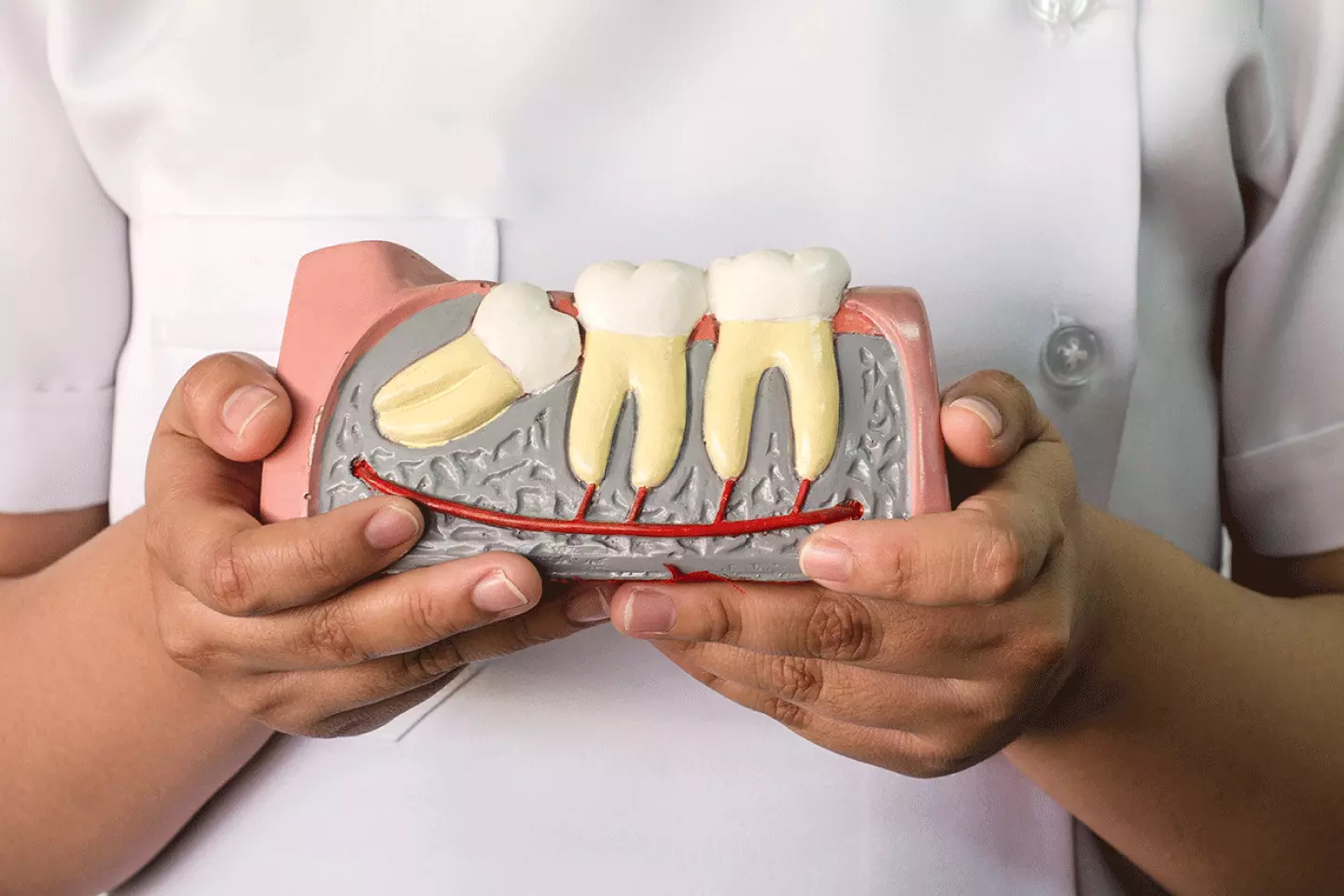
Wisdom teeth do not always cause problems. But when they become impacted, grow at an unusual angle, or develop near important nerves and other structures, removal may require more careful planning.
At Add Smiles Dentistry in Norwalk, CA, patients who need complex wisdom tooth procedures can receive evaluation and surgical care tailored to their individual needs. When a case requires an oral surgeon, appropriate referral or coordination can be part of the treatment plan.
The goal is simple: understand what is happening, explain your options clearly, and approach the procedure with your comfort and safety in mind.
Why Do Wisdom Teeth Sometimes Need to Be Removed?
Wisdom teeth are the last set of molars to develop. They usually appear in late adolescence or early adulthood, although timing varies.
Some people have enough room for their wisdom teeth to erupt normally. Others do not.
Problems can develop when a wisdom tooth is:
- Impacted beneath the gum
- Partially erupted
- Growing toward the neighboring tooth
- Trapped beneath bone
- Difficult to clean
- Associated with repeated infection
- Causing damage to nearby teeth
- Associated with pain, swelling, or gum inflammation
Removal may be recommended when keeping the tooth presents an ongoing oral health concern.
What Makes a Wisdom Tooth Case More Complicated?
Not every wisdom tooth extraction is the same.
A straightforward tooth may be visible and accessible above the gumline. A more complicated tooth may be positioned underneath gum tissue or bone or may be angled toward another tooth.
The roots can also have different shapes and positions.
In some cases, the lower wisdom teeth may be located near the inferior alveolar nerve, which provides sensation to areas of the lower lip and chin. This is one reason detailed imaging and careful treatment planning matter before complicated extractions.
How Do You Know If Your Wisdom Tooth Needs to Come Out?
Pain is not the only reason a wisdom tooth may need attention.
Some problematic wisdom teeth cause little or no discomfort until a problem becomes more advanced. During a dental examination, your dentist may look for signs such as infection, gum inflammation, decay, damage to neighboring teeth, or unfavorable positioning.
X-rays or 3D imaging may also be recommended to understand the tooth's position and root placement.
If your wisdom tooth has not erupted properly, an evaluation can help determine whether monitoring or removal makes more sense.
Why Might an Oral Surgeon Be Involved?
An oral and maxillofacial surgeon receives additional surgical training focused on procedures involving the mouth, jaws, face, and related structures.
For a straightforward extraction, your general dentist may be able to provide treatment.
More complicated cases may require evaluation or treatment by an oral surgeon.
This may be considered when:
- The tooth is deeply impacted
- The roots have a challenging shape
- The tooth is close to important anatomical structures
- Significant bone removal may be necessary
- Multiple complicated wisdom teeth need to be removed
- Your medical or dental history makes the case more involved
The decision depends on the individual case.
What Happens Before Wisdom Tooth Surgery?
Before surgery, your dental team will review your symptoms and dental history and examine the area.
Imaging can help determine the wisdom tooth's position, root shape, and relationship to nearby structures.
You should also tell your dental team about medications you take, allergies, medical conditions, previous reactions to anesthesia, and any concerns you have about the procedure.
This is also the right time to ask practical questions about recovery, eating, work, school, transportation, and activity restrictions.
What Happens During a Complicated Wisdom Tooth Procedure?
The exact procedure depends on the tooth's position.
If the tooth is impacted, the dentist may make an incision in the gum to access it. In some cases, a small amount of surrounding bone may need to be removed. The tooth may be divided into sections to make removal easier and reduce the amount of force needed.
After the tooth is removed, the area is cleaned and managed appropriately. Depending on the procedure, stitches may be used
Your treatment team will explain the specific steps before surgery so you know what to expect.
What Is Recovery Like?
Recovery varies depending on the procedure's complexity and the number of teeth removed.
Swelling, soreness, and sensitivity are common after wisdom tooth removal. These symptoms often improve gradually over the following days.
Your post-operative instructions may include recommendations about:
- Keeping the surgical area clean
- Eating softer foods initially
- Avoiding smoking or tobacco
- Avoiding strenuous activity for a period of time
- Taking prescribed or recommended medications as directed
- Managing swelling
- Protecting the blood clot in the extraction site
Following your instructions carefully can support a smoother recovery.
What Is Dry Socket?
Dry socket can occur when the blood clot that normally forms in the extraction site becomes dislodged or breaks down before the area has healed sufficiently.
It can cause significant pain and may require additional dental care.
Following your post-operative instructions, especially those relating to smoking, drinking through straws, and caring for the extraction site, can help reduce the risk.
If pain becomes significantly worse rather than gradually improving, contact your dental office.
When Should You Call the Dentist After Wisdom Tooth Removal?
Some discomfort after surgery is expected, but certain symptoms should not be ignored.
Contact your dental team if you experience:
- Severe or worsening pain
- Persistent or increasing swelling
- Fever
- Difficulty swallowing
- Difficulty breathing
- Excessive bleeding
- Pus or other signs of infection
- Numbness that concerns you
- Symptoms that suddenly become worse after initially improving
If you experience difficulty breathing or another serious emergency, seek immediate medical attention.
Why Choose Add Smiles Dentistry for Wisdom Tooth Care?
Add Smiles Dentistry offers oral surgery services in Norwalk, including wisdom tooth removal, extractions, bone grafting, dental implant placement, and oral pathology services. The practice also emphasizes modern imaging, patient comfort, and individualized treatment planning.
For more complex cases, the team can determine whether an oral surgeon is appropriate.
Get Your Wisdom Tooth Evaluated in Norwalk
If your wisdom tooth is painful, impacted, repeatedly inflamed, or hard to keep clean, don't wait until the problem becomes more disruptive.
Schedule an evaluation at Add Smiles Dentistry in Norwalk, CA. Your dentist can examine the area, review the necessary imaging, explain what is happening, and discuss whether monitoring, extraction, or oral surgeon care is appropriate.
Contact Us
Our team is happy to hear from you! Fill out our simple form to schedule your next visit.
Email us at info@addsmiles.com
Call us at (562) 204-6366
Schedule Your Visit!
*Name
*Phone Number
*Message
Our dental practice is designed to provide state-of-the-art care with the latest technology and a wide range of dental services with transparent pricing.
14523 Pioneer Blvd, Norwalk, CA 90650, USA


© 2025 Add Smiles Dentistry | All rights reserved | Privacy Policy | Digital Marketing by Remedo