
Opening Hours
Monday to Wednesday
9:00 am – 6:00 pm
Thursday
Closed
Friday
8.00 am - 5.00 pm
Saturday
8:00 am – 2:00 pm
What to Do If You Knock Out a Tooth: Immediate Steps to Save It
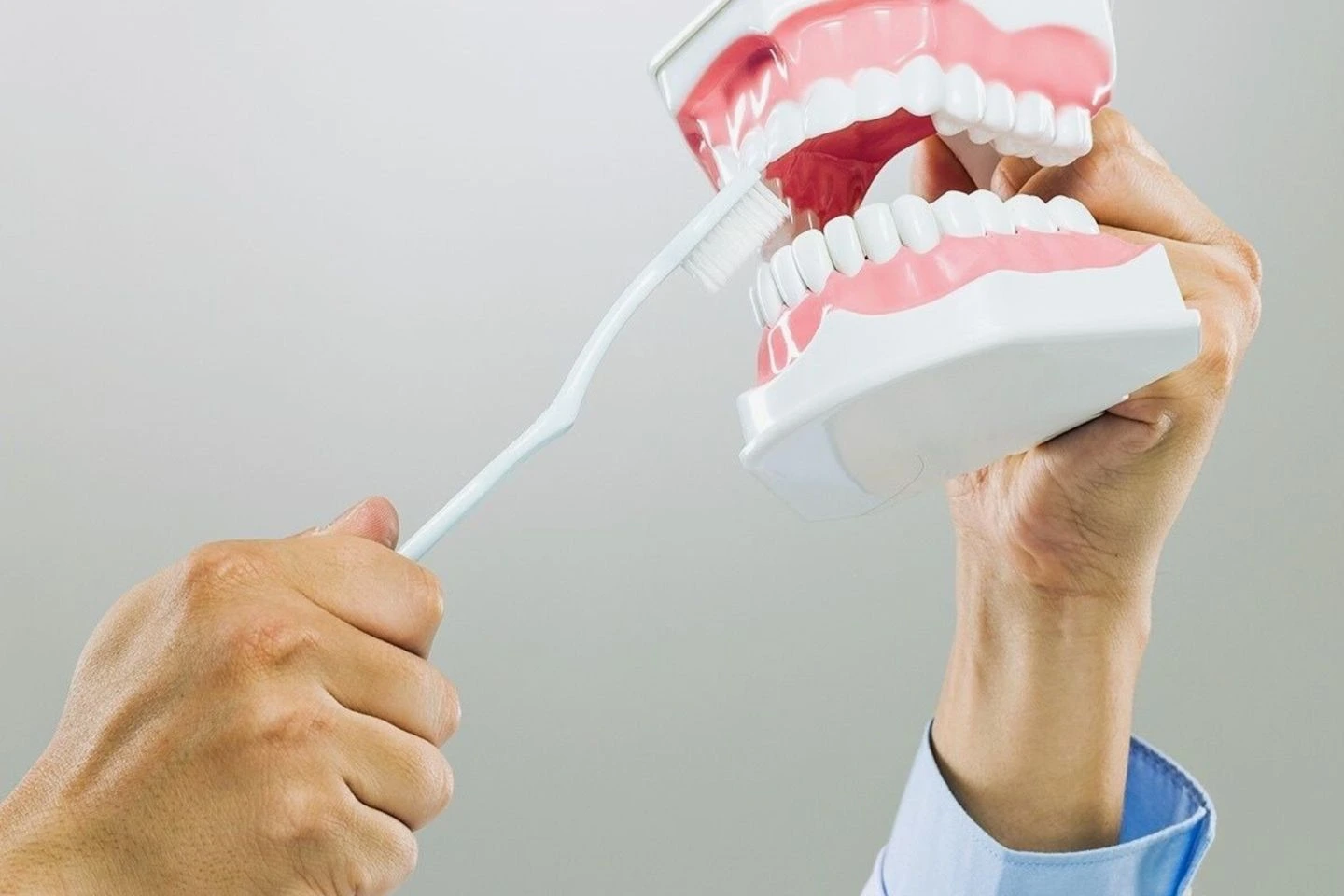
A knocked-out tooth is one of those moments that catches you completely off guard. One second everything is normal, and the next you are standing there holding a tooth, unsure of what happens next. Whether it happened during a sports game, a fall, or just an unlucky accident, knowing how to respond in the first few minutes can make a real difference in what your dentist is able to do for you. This guide walks through the immediate steps to take after a knocked-out tooth, along with what to expect when you get to a dental office.
Why Every Minute Matters After a Knocked Out Tooth
When a tooth is knocked out, also known as tooth avulsion, the clock starts ticking almost immediately. The tooth root has delicate fibers and cells that begin to dry out once the tooth is out of the socket, and the longer this goes on, the harder it can become for a dentist to successfully reposition the tooth. Many dental professionals point to the first thirty to sixty minutes as a particularly important window, though outcomes can vary based on the individual situation and how the tooth is handled in the meantime.
This is why staying calm and acting quickly matters so much with a knocked-out tooth. You do not need to be a dental expert to help the situation; you just need to know a few key steps and get to a dentist as soon as possible.
Immediate Steps to Take After a Tooth Gets Knocked Out
If you or someone nearby experiences a knocked-out tooth, here is a general order of steps that may help protect the tooth until you can reach a dentist:
- Find the tooth and pick it up carefully by the crown, which is the white chewing surface, avoiding the root portion as much as possible.
- If the tooth is dirty, rinse it gently with clean water for a few seconds, without scrubbing or using soap.
- Try to place the tooth back into its socket facing the correct direction, if you feel comfortable doing so, and have the person gently bite down on clean gauze or a cloth to hold it in place.
- If putting the tooth back in is not possible, keep it moist by placing it in a container with milk, or have the person hold it in their mouth between the cheek and gum if they are old enough to do so safely.
- Head to a dental office or emergency room right away, bringing the tooth with you.
Avoid letting the tooth dry out, and try not to touch the root more than necessary, since the fibers there are fragile and play a role in how well the tooth may reattach.
What Not to Do When Handling a Knocked Out Tooth
Just as there are helpful steps, there are also a few things to avoid when dealing with a knocked-out tooth. Do not scrub or brush the tooth, even if it looks dirty, since this can damage the root surface. Avoid wrapping the tooth in a dry tissue or paper towel, as dryness is one of the biggest factors that can affect whether a dentist is able to successfully reposition it.
It is also best to avoid storing the tooth in tap water for an extended period, since water is not ideal for keeping the root cells healthy compared to milk or saliva. If you are unsure about any part of the process, focus on getting to a dental office quickly rather than spending too much time trying to get every step perfect.
How Dentists Treat a Knocked Out Tooth in the Office
Once you arrive at a dental office with a knocked-out tooth, your dentist will typically start by examining the tooth and the socket area to assess the overall situation. If the tooth was not already repositioned, the dentist may attempt to place it back into the socket, a process sometimes called replantation. From there, the tooth is often stabilized with a splint that holds it in place against neighboring teeth while the area begins to heal.
Your dentist may also recommend a course of action to help manage the risk of infection and support healing, which can include monitoring the tooth over the following weeks. In some cases, particularly where the tooth cannot be saved, or where significant time has passed, your dentist will discuss alternative options for restoring your smile, such as a dental implant or bridge. Every situation is a little different, so the exact treatment plan for a knocked out tooth depends on factors like how the tooth was handled, how much time has passed, and the overall condition of the tooth and surrounding gum tissue.
Common Causes of a Knocked Out Tooth and How to Reduce Your Risk
A knocked out tooth can happen in all kinds of situations, but some causes are more common than others. Contact sports like basketball, football, and hockey are frequently associated with dental injuries, which is part of why mouthguards are so often recommended for these activities. Falls, car accidents, and even biting down on something unexpectedly hard can also lead to a tooth being knocked loose or completely out.
Wearing a properly fitted mouthguard during sports, being cautious with hard foods, and addressing any existing dental issues that might weaken a tooth are all reasonable ways to help lower your risk of a knocked-out tooth. That said, accidents can still happen even with precautions in place, so knowing what to do in the moment remains just as important as prevention.
When to Treat a Knocked-Out Tooth as a Dental Emergency
Any knocked-out tooth should generally be treated as a dental emergency, since prompt care may improve the chances of the tooth being saved. Beyond the tooth itself, watch for signs like heavy bleeding that does not slow down, visible damage to the jaw, or significant pain, all of which suggest the situation needs urgent attention rather than a routine appointment.
If you experience a knocked-out tooth outside of regular office hours, many dental practices have options for same-day or emergency appointments, so it is worth calling right away rather than waiting until the next available slot. The sooner a dentist can evaluate a knocked out tooth, the more information they will have to guide your treatment plan.
Get Emergency Care for a Knocked-Out Tooth at Add Smiles Dentistry
Dealing with a knocked-out tooth can feel overwhelming in the moment, but you do not have to figure it out on your own. The team at Add Smiles Dentistry understands that dental emergencies do not wait for convenient timing, and we are here to help guide you through the next steps as quickly as possible.
If you or a loved one has experienced a knocked-out tooth, contact Add Smiles Dentistry right away so our team can help assess the situation and talk you through your options. Having a trusted dental office to call during a dental emergency can make a stressful moment feel a little more manageable.
Frequently Asked Questions About a Knocked-Out Tooth
Q: Can a knocked out tooth always be saved?
A: Not always. Whether a knocked out tooth can be successfully repositioned depends on several factors, including how quickly it is handled and how it was stored before reaching a dentist. Acting fast and following proper steps may improve the chances, but outcomes vary from case to case.
Q: What should I store a knocked out tooth in if I cannot put it back in the socket?
A: Milk is generally considered a good option for keeping a knocked-out tooth moist, and holding it in the cheek is another possibility for older children and adults who can safely avoid swallowing it. Avoid letting the tooth dry out or sit in plain tap water for a long period.
Q: Is a knocked out baby tooth treated the same way as an adult tooth?
A: No. Dentists typically do not attempt to reinsert a knocked-out baby tooth, since doing so can potentially affect the developing permanent tooth underneath. It is still a good idea to have a dentist examine the area after a baby tooth is knocked out.
Q: How soon do I need to see a dentist after a tooth is knocked out?
A: As soon as possible. Many dental professionals point to the first thirty to sixty minutes as a meaningful window, so treating it as a dental emergency and heading to a dental office right away is generally recommended.
Q: Does it hurt to have a knocked out tooth put back in?
A: Your dental team will typically take steps to help keep you comfortable during the process. Some soreness in the days following treatment for a knocked out tooth is common as the area heals.
Contact Us
Our team is happy to hear from you! Fill out our simple form to schedule your next visit.
Email us at info@addsmiles.com
Call us at (562) 204-6366
Schedule Your Visit!
*Name
*Phone Number
*Message
Our dental practice is designed to provide state-of-the-art care with the latest technology and a wide range of dental services with transparent pricing.
14523 Pioneer Blvd, Norwalk, CA 90650, USA


© 2025 Add Smiles Dentistry | All rights reserved | Privacy Policy | Digital Marketing by Remedo