
Opening Hours
Monday to Wednesday
9:00 am – 6:00 pm
Thursday
Closed
Friday
8.00 am - 5.00 pm
Saturday
8:00 am – 2:00 pm
Toothbrush and Flossing Techniques: Are You Doing It Right?
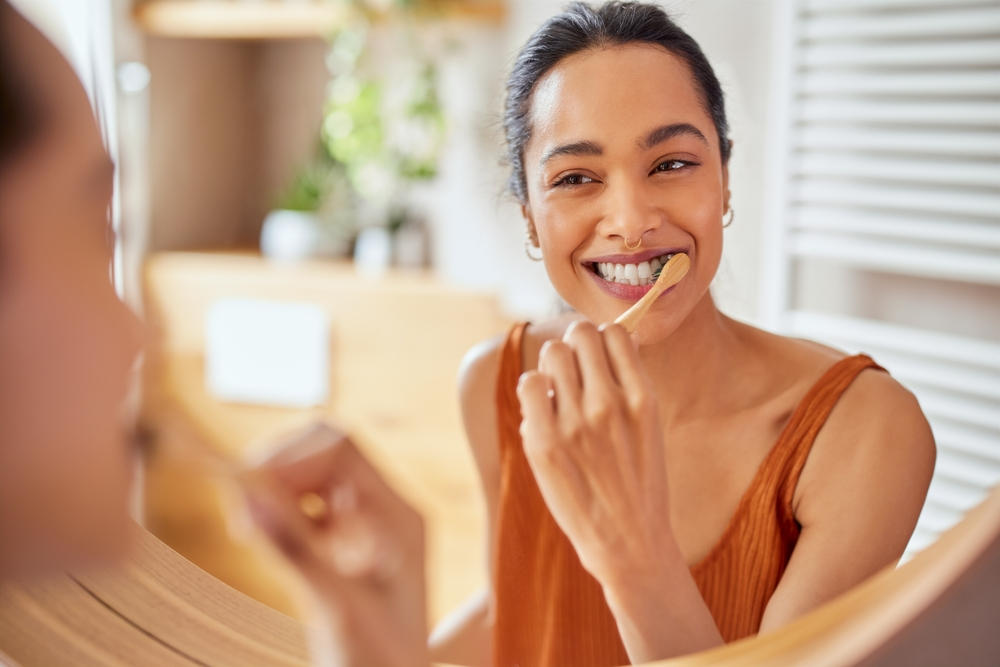
Maintaining a vibrant, healthy smile goes far beyond just keeping your teeth looking bright. Daily oral hygiene forms the cornerstone of preventing common dental concerns, such as periodontal disease and tooth decay. However, simply going through the motions with your brush and floss isn't always enough. The effectiveness of your routine depends heavily on using the proper method.
Many well-intentioned individuals inadvertently use habits that can cause wear on their enamel or leave hard-to-reach areas vulnerable to plaque buildup. By refining your daily mechanics and partnering with a supportive local dental team, you can ensure your home care routine delivers the maximum benefit to your health.
The Science of Brushing: Why Your Current Method Might Need a Refinement
Brushing your teeth seems straightforward, but structural care requires a gentle, deliberate approach. A common mistake is using aggressive, sawing motions across the teeth. This scrubbing action can gradually wear down defensive enamel and irritate vulnerable gum tissue, potentially leading to recession and increased tooth sensitivity over time.
To clean effectively without causing damage, place your toothbrush at a 45-degree angle toward the gumline. Instead of scrubbing back and forth, move the brush in short, gentle, circular strokes. This angled approach allows the bristles to clear away soft plaque accumulations along the margin where your teeth and gums meet. Spending a full two minutes ensures you give equal attention to the outer, inner, and chewing surfaces of every tooth.
How to Choose the Best Toothbrush Bristles and Dental Tools for Daily Use
The tools you select play a major role in the safety and efficacy of your daily routine. When exploring the dental aisle, the sheer volume of choices can feel overwhelming. Many people mistakenly believe that firm or medium bristles provide a deeper clean, but clinical professionals generally advise against them due to the risk of tissue abrasion.
When you look for the right tools, soft-bristled or extra-soft-bristled brushes are highly recommended for daily use. Soft bristles flex easily, allowing them to sweep beneath the gumline and around contours without damaging the structures. Whether you prefer a standard manual brush or an electric model with a built-in pressure sensor, selecting the right tool ensures your efforts remain both safe and effective.
Step-by-Step Guide to Proper Flossing Without Hurting Your Gums
While brushing takes care of the visible surfaces, a significant portion of your tooth structure sits hidden in the tight spaces between teeth. If you skip interdental cleaning, plaque and debris remain trapped, creating a perfect environment for cavities to develop. If your current flossing routine involves snapping the string down quickly against your gums, a shift in technique can make the process much more comfortable and productive.
To floss correctly, wrap a generous piece of clean floss around your middle fingers, leaving a few inches taut between your thumbs and index fingers. Gently guide the string between your teeth using a back-and-forth motion rather than forcing it straight down. Once the floss reaches the gumline, curve it into a C-shape against the side of one tooth. Slide it carefully up and down the surface, traveling slightly beneath the gum tissue line to lift away debris before moving to the adjacent tooth structure.
Signs Your Cleaning Technique Might Be Causing Enamel Wear or Gum Issues
Your mouth provides clear, early indicators when your brushing or flossing mechanics require adjustment. Ignoring these signals can allow minor issues to grow into more complex conditions that require professional intervention. Paying close attention to how your mouth feels during and after cleaning can help you spot potential errors early.
Watch for these common indicators that your technique might need a slight adjustment:
- Occasional Bleeding During Cleaning: Healthy gum tissue generally does not bleed during routine maintenance. If you notice pink in the sink, it may indicate localized buildup or that you are using too much downward force.
- Persistent Sensitivity to Temperatures: Brushing too vigorously can expose the sensitive root surfaces beneath the enamel, leading to discomfort when consuming cold or hot beverages.
- Visible Wear on Your Toothbrush Bristles: If the bristles on your brush appear splayed, flattened, or frayed within just a few weeks of use, it is a clear sign that you are applying excessive physical pressure.
- Lingering Roughness on Tooth Surfaces: After finishing your morning or evening routine, your teeth should feel completely smooth to your tongue. If certain areas still feel fuzzy, your brush may be missing those specific spots.
Why Regular Professional Teeth Cleanings Matter for Long-Term Oral Health
Every individual possesses a unique oral anatomy, from tight contact points between teeth to localized structural variations or orthodontic appliances. Because of these differences, a generic, one-size-fits-all approach to hygiene does not always yield the best results. Regular professional care provides an ideal opportunity to fine-tune your specific home habits.
During your routine cleanings, a skilled clinical team can pinpoint specific areas where plaque tends to collect and offer tailored suggestions to help you reach them. Your provider can demonstrate proper angles using a mirror, recommend specialized interdental brushes for wider gaps, or suggest therapeutic rinses that complement your brushing routine. This collaborative approach takes the guesswork out of your daily care.
Schedule an Evaluation at Add Smiles Dentistry
Refining your daily habits is one of the most proactive steps you can take to preserve your wellness and maintain a radiant smile for years to come. If you are looking for an experienced dentist in Norwalk, CA to review your techniques and provide personalized preventive guidance, our dedicated team is ready to welcome you. At Add Smiles Dentistry, we treat every patient with individual attention, helping you understand your oral health needs without any judgment. Contact Add Smiles Dentistry today to book your next routine checkup and take complete control of your smile's future.
Frequently Asked Questions About Brushing and Flossing Habits
Q: Is an electric toothbrush significantly better than a manual toothbrush?
A: Both options can be highly effective when used with the proper technique. Electric models can be particularly beneficial for individuals with limited manual dexterity or those who tend to brush too hard, as many electric options feature built-in pressure sensors.
Q: Why do my gums feel tender or bleed when I begin flossing regularly?
A: Minor tenderness or bleeding often occurs when introducing a new routine to areas where plaque has previously accumulated. This temporary response typically resolves within a week of consistent, gentle cleaning as the tissue adapts.
Q: How often should I replace my manual toothbrush or electric brush head?
A: It is generally recommended to swap out your brush or replacement head every three months, or sooner if you observe that the bristles have become splayed, worn, or less effective.
Q: Can using a therapeutic mouthwash replace my daily flossing routine?
A: While mouthwash serves as an excellent supplemental tool for freshening breath and reducing surface bacteria, it cannot physically dislodge the sticky plaque film and debris that collect between tight tooth structures.
Q: What is the ideal time of day to perform my flossing routine?
A: The timing is entirely up to your personal schedule, though many individuals find that cleaning between the teeth thoroughly before bed ensures that plaque does not sit undisturbed overnight.
Contact Us
Our team is happy to hear from you! Fill out our simple form to schedule your next visit.
Email us at info@addsmiles.com
Call us at (562) 204-6366
Schedule Your Visit!
*Name
*Phone Number
*Message
Our dental practice is designed to provide state-of-the-art care with the latest technology and a wide range of dental services with transparent pricing.
14523 Pioneer Blvd, Norwalk, CA 90650, USA


© 2025 Add Smiles Dentistry | All rights reserved | Privacy Policy | Digital Marketing by Remedo