Opening Hours
Monday to Wednesday
9:00 am – 6:00 pm
Thursday
Closed
Friday
8.00 am - 5.00 pm
Saturday
8:00 am – 2:00 pm
Pregnancy and Oral Health: What Expectant Mothers Should Know
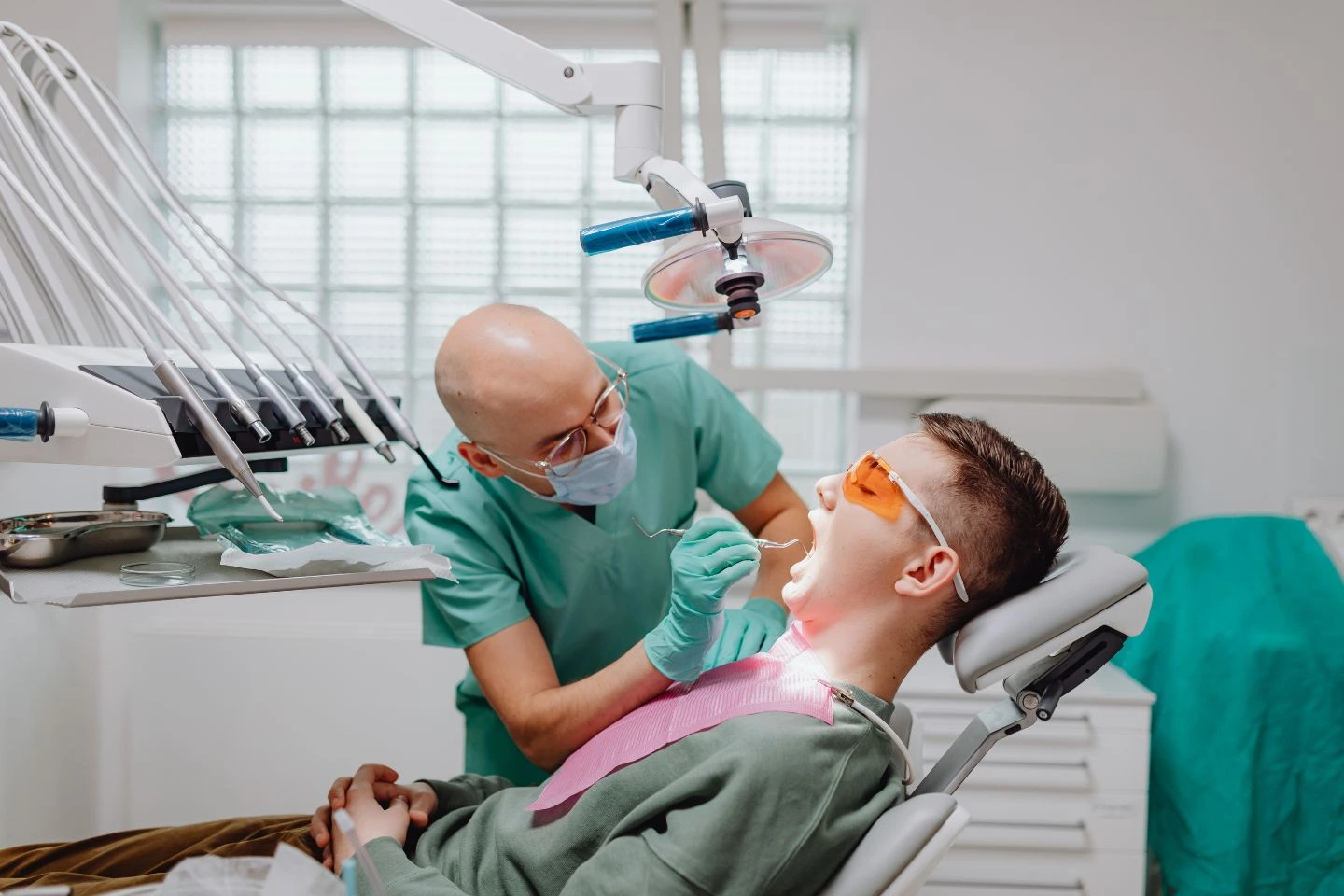
Oral health rarely makes the top of the list when you are pregnant. Between appointments, symptoms, and everything else being tracked week to week, gums and teeth tend to get pushed aside. But pregnancy hormones can genuinely change how your mouth responds to everyday plaque, sometimes catching patients off guard who have never had gum issues before.
This guide walks through what tends to change, when dental care is generally considered safe during pregnancy, and what expectant mothers exploring care with Add Smiles Dentistry should know before their next visit.
Why Pregnancy Affects the Mouth in the First Place
The shift comes down to hormones, mainly rising estrogen and progesterone. These changes affect how gum tissue reacts to plaque, and for a lot of women, that means more inflammation than usual, even with the same brushing and flossing routine that worked fine before.
Not everyone notices a difference. But it happens often enough that most dental professionals bring it up early in pregnancy, ideally before anything becomes uncomfortable.
What Pregnancy Gingivitis Actually Looks Like
Pregnancy gingivitis describes gum inflammation that develops or gets worse during pregnancy. Redness, puffiness, bleeding when you brush or floss, these are the usual signs. It shows up fairly often, and the second trimester tends to be when symptoms are most noticeable, since that is typically when hormonal shifts peak.
The reassuring part is that it is usually manageable. Consistent hygiene and professional cleanings tend to keep it in check, and it generally improves after delivery once hormone levels settle. Left unchecked, though, gum inflammation can progress further, which is exactly why regular checkups during pregnancy matter more than most people assume.
Is Dental Care Actually Safe While Pregnant?
Yes. Routine care, cleanings, checkups, is generally considered safe throughout pregnancy, and most dental professionals recommend keeping up with it rather than putting it off. The second trimester is often the most comfortable window for non-urgent work, since morning sickness has typically eased by then and the later discomforts of pregnancy have not set in yet. That said, every pregnancy is different.
If something comes up during the first or third trimester, it does not automatically mean waiting is the only option. Plenty of procedures can still happen safely with some adjustments, and your dentist can loop in your obstetrician if the situation calls for it.
What About X-Rays During Pregnancy?
This question comes up constantly, and it is a fair one to ask. Dental X-rays use a very low dose of radiation, and standard practice includes protective gear, a lead apron and thyroid collar, to shield the abdomen and neck. Necessary X-rays are generally considered safe with these precautions in place. Elective imaging, though, usually gets pushed to after delivery, more out of caution than proven risk.
If a specific X-ray gets recommended and you are unsure about it, ask your dentist to walk through the reasoning. That conversation alone tends to ease a lot of the uncertainty.
Fillings, Cleanings, and Other Treatment During Pregnancy
Cleanings are not just safe, they are often encouraged, since they help keep pregnancy gingivitis from becoming a bigger issue. Fillings and other necessary restorative work can generally happen too, especially in the second trimester, with your dentist factoring your pregnancy into how treatment and any medications are planned.
Elective work, teeth whitening, purely cosmetic procedures, typically waits until after pregnancy. Not because there is solid evidence it causes harm, but because the research is limited, and waiting is simply the more cautious route.
How Morning Sickness Plays Into This
Frequent vomiting means repeated exposure to stomach acid, and over time that can wear down enamel. Brushing right after being sick actually makes it worse, since it spreads acid across enamel that is already softened. A better move is rinsing with water, or water mixed with a bit of baking soda, and waiting a while before brushing.
Small Habits That Help Throughout Pregnancy
A handful of things go a long way here. Sticking with regular brushing and flossing helps offset the higher risk of gum inflammation. Keeping dental checkups on the calendar, rather than skipping them for nine months, means issues like pregnancy gingivitis get caught early. Staying hydrated and eating well supports overall health generally, oral health included. And if nausea makes brushing rough, switching to a milder toothpaste or brushing at a different point in the day can make the routine easier to stick with.
Why Expectant Mothers Choose Add Smiles Dentistry
Pregnancy already comes with a long list of things to think about. Oral health should not be one more source of stress on top of that. At Add Smiles Dentistry, we take time to explain what is safe, what to expect, and how to handle any changes you are noticing, so decisions feel informed rather than rushed.
We also coordinate directly with patients on timing when it matters, and we are glad to communicate with your obstetrician if a particular procedure calls for that kind of collaboration.
Schedule Your Prenatal Dental Checkup
If you are expecting and it has been a while since your last dental visit, or if you have noticed bleeding or swollen gums, now is a good time to get in rather than waiting until after the baby arrives.
Contact Add Smiles Dentistry to schedule your appointment and get guidance tailored to your pregnancy. Our team is here to help you feel confident about your dental care at every stage.
Frequently Asked Questions
Q: Is it safe to have dental work done while pregnant?
A: Routine care, including cleanings and necessary treatments like fillings, is generally considered safe during pregnancy, particularly in the second trimester. Elective procedures are typically postponed until after delivery.
Q: Why do my gums bleed more since becoming pregnant?
A: Hormonal changes can make gum tissue more reactive to plaque, leading to inflammation sometimes called pregnancy gingivitis. It is common and usually manageable with consistent hygiene and professional cleanings.
Q: Are dental X-rays safe during pregnancy?
A: Necessary X-rays are generally considered safe when protective measures like a lead apron and thyroid collar are used. Elective imaging is often postponed until after pregnancy as a precaution.
Q: Can morning sickness affect my teeth?
A: Yes, repeated exposure to stomach acid from vomiting can contribute to enamel erosion over time. Rinsing with water instead of brushing right away helps protect enamel that is temporarily softened.
Q: Will pregnancy gingivitis go away after I give birth?
A: For many women, symptoms ease as hormone levels return to a more typical range after delivery, though staying consistent with oral hygiene throughout pregnancy generally supports a smoother recovery.
Q: How do I schedule a dental checkup during pregnancy?
A: Contact Add Smiles Dentistry to schedule your visit. Our team can evaluate your oral health, talk through any changes you have noticed, and coordinate care around your pregnancy timeline as needed.
Contact Us
Our team is happy to hear from you! Fill out our simple form to schedule your next visit.
Email us at info@addsmiles.com
Call us at (562) 204-6366
Schedule Your Visit!
*Name
*Phone Number
*Message
Our dental practice is designed to provide state-of-the-art care with the latest technology and a wide range of dental services with transparent pricing.
14523 Pioneer Blvd, Norwalk, CA 90650, USA


© 2025 Add Smiles Dentistry | All rights reserved | Privacy Policy | Digital Marketing by Remedo