
Opening Hours
Monday to Wednesday
9:00 am – 6:00 pm
Thursday
Closed
Friday
8.00 am - 5.00 pm
Saturday
8:00 am – 2:00 pm
Night Guards and Teeth Grinding: When Should You Wear One?
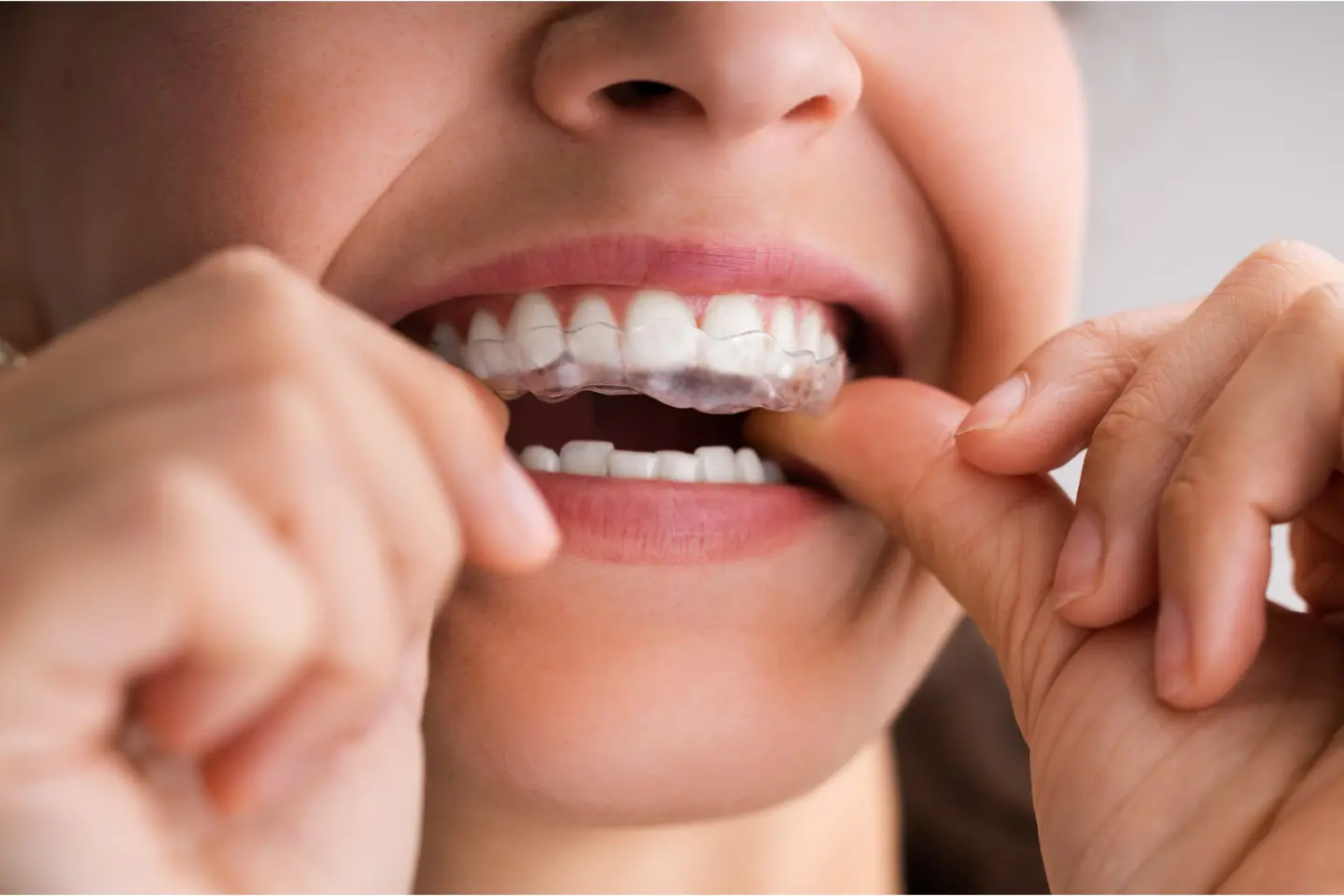
Waking up with a sore jaw or a dull headache more mornings than not is easy to brush off as just how you woke up that day. Sometimes it is. But if it keeps happening, there is a decent chance you are grinding or clenching your teeth at night without ever knowing it, since this tends to happen while you are asleep and completely unaware. A night guard for teeth grinding is often the simplest, most effective way to protect your teeth once this pattern is identified.
Here is how to recognize the signs, what a night guard for teeth grinding actually does, and how to know if it is time to talk to your dentist about getting one.
What Is Bruxism and Why Does It Happen?
Bruxism is the clinical term for teeth grinding and jaw clenching, and it can happen during the day or, more commonly, at night while you sleep. Stress and anxiety are among the most frequently cited contributors, though bruxism can also be linked to sleep disorders, certain medications, or simply the way someone's bite naturally aligns.
Because nighttime bruxism happens during sleep, a lot of people do not realize they are doing it until a partner mentions the sound, or until a dentist notices the wear pattern on their teeth during a routine checkup. That is often the first real signal that a night guard for teeth grinding might be worth discussing.
Signs You Might Be Grinding Your Teeth at Night
A few common signs tend to show up together in people dealing with nighttime bruxism. Waking up with a sore or tight jaw, a dull headache centered near the temples, or unexplained tooth sensitivity are all frequent complaints. Some people also notice flattened or chipped edges on their teeth over time, which a dentist can usually spot during an exam even if the person has not noticed any symptoms themselves.
A partner mentioning that you grind your teeth audibly at night is another common way people find out, since the sound itself can be surprisingly noticeable to someone sleeping nearby, even if you have no memory of it happening.
How a Night Guard for Teeth Grinding Actually Helps
A night guard is a custom or semi-custom device worn over the teeth during sleep, creating a physical barrier between the upper and lower teeth. Rather than stopping the grinding itself, it protects the teeth from the wear and damage that grinding causes, which is really the main point of wearing one.
Without that protection, the pressure and friction from grinding can gradually wear down enamel, leading to increased sensitivity, chipped teeth, or even cracked fillings and crowns over time. A properly fitted night guard for teeth grinding absorbs that pressure instead, reducing the impact on your natural teeth and any existing dental work.
Custom Night Guards Versus Over-the-Counter Options
Drugstore night guards exist and are considerably cheaper than one made by a dentist, but the fit tends to reflect that price difference. Over-the-counter guards are generally one-size-fits-most, which often means they are bulkier, less comfortable, and more likely to be left in a drawer after a few uncomfortable nights.
A custom night guard for teeth grinding, made from an impression of your actual teeth, fits more precisely and tends to be far more comfortable to wear consistently, which matters quite a bit since a night guard only helps if you actually wear it. Dentists can also adjust the thickness and material based on how severe your grinding is, something an over-the-counter option simply cannot offer.
When It Is Time to Talk to Your Dentist About a Night Guard
If you are noticing morning jaw soreness, headaches, or visible wear on your teeth, bringing it up at your next dental visit is a reasonable next step. Your dentist can examine your teeth for wear patterns, ask about your symptoms, and determine whether a night guard for teeth grinding is likely to help in your specific case.
It is also worth mentioning if a partner has commented on grinding sounds during the night, even if you have no other symptoms yet, since catching bruxism early generally means less wear and tear on your teeth by the time treatment starts.
What to Expect From the Night Guard Fitting Process
Getting a custom night guard usually starts with an impression of your teeth, which is sent to a lab to fabricate a guard tailored to your exact bite. Once it comes back, your dentist checks the fit and makes any adjustments needed so it sits comfortably and does not shift around during sleep.
Most people adjust to wearing a night guard for teeth grinding within a week or two, though it can feel a little unfamiliar at first. Sticking with it through that adjustment period tends to be worth it, since consistent use is really what protects your teeth over the long run.
Schedule a Consultation With Add Smiles Dentistry
If you are waking up with jaw pain, headaches, or noticing wear on your teeth, Add Smiles Dentistry can evaluate whether a night guard for teeth grinding is right for you. Reach out to Add Smiles Dentistry today to schedule a consultation and find out how to protect your smile from nighttime grinding.
Frequently Asked Questions About Night Guards and Teeth Grinding
Q: How do I know if I need a night guard for teeth grinding?
A: Common signs include morning jaw soreness, headaches near the temples, tooth sensitivity, or visible wear on your teeth. A dentist can confirm during an exam whether a night guard is likely to help.
Q: Are custom night guards worth the extra cost compared to drugstore options?
A: For most people, yes. A custom fit tends to be more comfortable and durable, which makes consistent use more likely, and consistent use is what actually protects your teeth.
Q: Can a night guard stop me from grinding my teeth entirely?
A: A night guard does not stop the grinding itself, but it protects your teeth from the wear and damage that grinding causes by creating a barrier between your upper and lower teeth.
Q: How long does it take to get used to wearing a night guard?
A: Most people adjust within a week or two, though it can feel unfamiliar at first. Sticking with it through that adjustment period generally leads to better long-term results.
Q: What causes teeth grinding in the first place?
A: Stress, certain sleep disorders, some medications, and bite alignment can all contribute to bruxism, and often more than one factor is involved.
Q: How often should a night guard be replaced?
A: This depends on how much wear it shows over time and how much grinding pressure it is absorbing, so your dentist can advise on a replacement schedule based on your specific guard.
Contact Us
Our team is happy to hear from you! Fill out our simple form to schedule your next visit.
Email us at info@addsmiles.com
Call us at (562) 204-6366
Schedule Your Visit!
*Name
*Phone Number
*Message
Our dental practice is designed to provide state-of-the-art care with the latest technology and a wide range of dental services with transparent pricing.
14523 Pioneer Blvd, Norwalk, CA 90650, USA


© 2025 Add Smiles Dentistry | All rights reserved | Privacy Policy | Digital Marketing by Remedo