
Opening Hours
Monday to Wednesday
9:00 am – 6:00 pm
Thursday
Closed
Friday
8.00 am - 5.00 pm
Saturday
8:00 am – 2:00 pm
A Step-by-Step Guide: What to Expect During a Dental Crown Placement
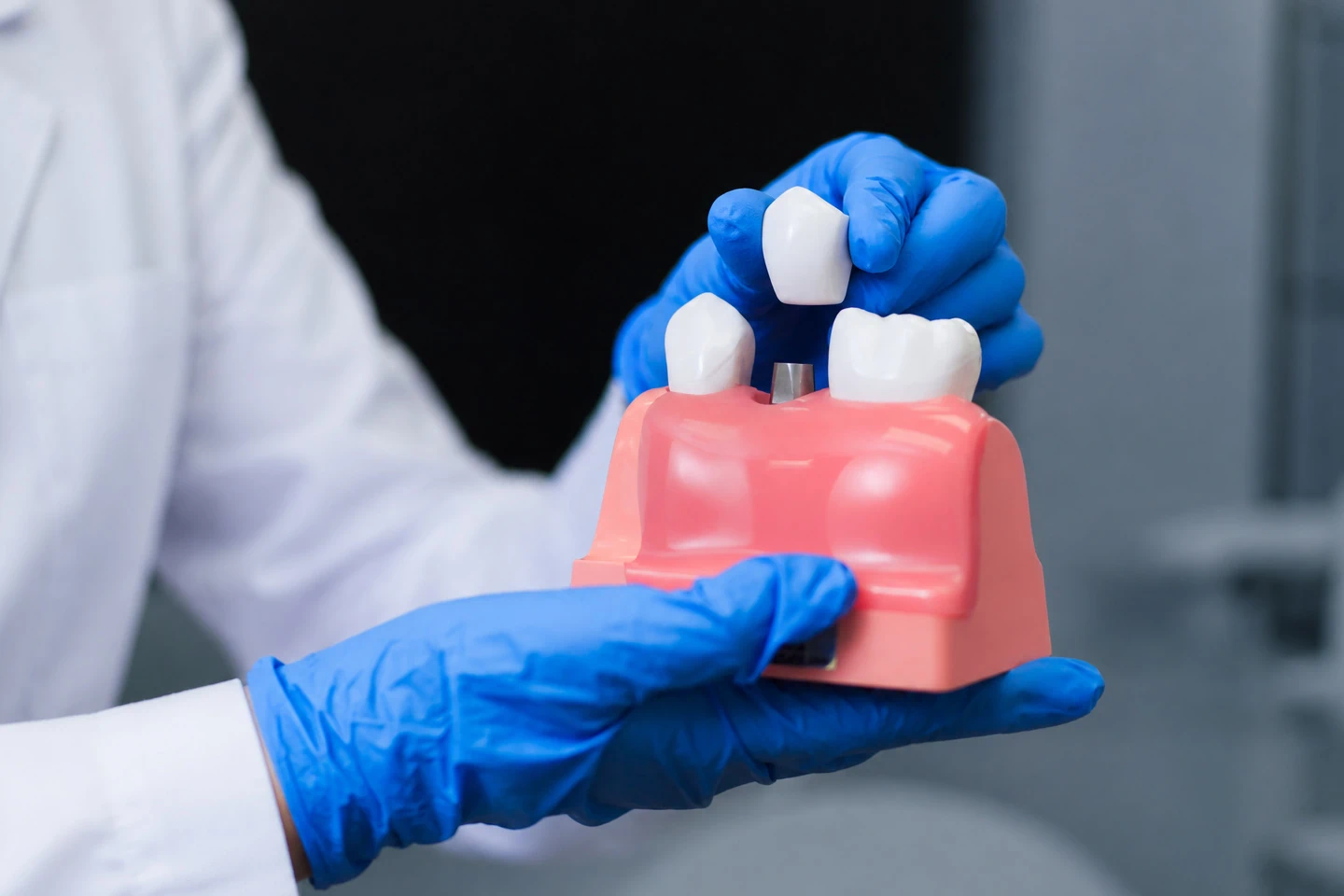
Getting a dental crown is a very common fix for a damaged tooth, but it is completely normal to have questions about what the process feels like and how long it takes to recover. Today's dental technology makes getting a crown much smoother and more comfortable than it used to be. A crown is simply a custom cap that goes over a weak tooth to make it strong again, help you chew normally, and blend right in with your smile.
Dentists usually suggest a crown if a tooth has a lot of decay, a deep crack, or a large filling that is starting to break down. You might also need one after a root canal or if you want to fix a severely misshapen or stained tooth. By covering the part of the tooth that shows above the gumline, the crown protects what is left of your natural tooth and keeps your mouth healthy.
For anyone looking into dental crowns in Norwalk, CA, the team at Add Smiles Dentistry focuses on making the entire experience clear, comfortable, and personalized from start to finish.
Why Do People Need Dental Crowns?
Dental crowns handle problems that a regular filling just cannot fix. When a tooth loses too much of its natural structure, a filling won't be strong enough to hold it together under the pressure of chewing. That is where a crown comes in.
Here are the main reasons a dentist might tell you it is time for a crown:
- Deep cavities that have destroyed a large part of the tooth
- Cracks or fractures that make chewing painful
- Teeth that are badly worn down from grinding or clenching
- Protecting a fragile tooth after a root canal
- Replacing old, oversized fillings that are cracking
- Covering up badly stained or uneven teeth
- Finishing off a dental implant
- Holding a dental bridge in place
Crowns are built to fit your exact bite. They can be made from a few different materials, including porcelain, ceramic, zirconia, or porcelain fused to metal. Your dentist will help you pick the best option based on where the tooth is, how hard you bite down, and how you want your smile to look.
Visit One: Prepping the Tooth and Taking Digital Scans
Your first appointment is all about getting the tooth ready and gathering the measurements needed to build your custom crown.
Checking the Tooth
First, your dentist will look closely at the tooth and take a few digital X-rays. This lets them check the roots, the bone underneath, and the overall health of the area. If they find any active decay or an infection, they will take care of that before moving forward with the crown.
Numbing and Shaping
To make sure you do not feel any pain, the dentist will numb the tooth and the surrounding gums with a local anesthetic. Once everything is completely numb, they will carefully reshape the tooth. This involves removing a small layer of outer enamel so the new crown can slide over it without looking bulky or feeling tight against your other teeth.
Digital Scanning and Color Matching
Next, the dentist uses a digital scanner to get a highly accurate 3D model of your mouth. The dental lab will use this scan to build your permanent crown. During this step, your dentist will also hold up a color guide to match the shade of the crown to your natural teeth so it blends in perfectly.
Taking Care of Your Temporary Crown
Because it takes a couple of weeks for the lab to make your permanent crown, you will walk out of your first visit with a temporary one. This temporary cap protects your prepped tooth while you wait.
Temporary crowns do a few important jobs:
- They shield the sensitive inner parts of the tooth.
- They keep you from getting sharp pains from hot or cold drinks.
- They keep your smile looking normal.
- They let you talk and chew without trouble.
- They stop the surrounding teeth from shifting out of place.
Since these are only meant to stay on for a short time, they are attached with a weaker cement. Because of that, you need to be a little careful with them.
Quick Tips for Temporary Crowns
- Stay away from sticky treats like caramel or chewing gum.
- Avoid biting directly into very hard foods like raw carrots or ice.
- Try to do most of your chewing on the other side of your mouth.
- Brush the area gently.
- When flossing, don't pull the string straight up. Instead, let go of one end and pull it out sideways so you don't pop the temporary crown off.
It is completely normal to feel a little sensitivity to cold or hot temperatures right after your tooth is shaped. But if you have severe pain that does not go away, give your dental office a call.
Visit Two: Placing the Permanent Crown
Once your custom crown arrives from the lab, you will come back in for your second appointment.
The dentist will remove the temporary cap and clean the tooth thoroughly. Then, they will place the new permanent crown on top to check a few things before bonding it down:
- How it fits against the tooth and gums
- How your upper and lower teeth meet when you bite down
- How well the color matches your other teeth
- How comfortable it feels overall
If anything feels off, the dentist can make quick, minor adjustments right then and there. Once you both agree that the fit and look are just right, they will use a strong dental cement to bond the crown permanently in place.
Life After the Procedure and Long-Term Care
Most people can go right back to their normal daily routine immediately after leaving the office. You might notice a few minor symptoms for a couple of days, such as:
- Slightly tender or puffy gums around the tooth
- A little lingering sensitivity to hot or cold drinks
- A mild ache when you bite down completely
These issues generally fade quickly on their own. If you notice that your bite feels uneven after a week, or if you have lasting pain, let your dentist know.
Even though a dental crown cannot get a cavity, the real tooth underneath it still can. Keeping up with your daily brushing and flossing is the best way to make sure your crown lasts a very long time.
How to Protect Your Investment
- Brush your teeth twice a day with a fluoride toothpaste.
- Floss daily, making sure to clean right around the base of the crown.
- Keep up with your regular dental checkups and professional cleanings.
- Do not chew on ice, pens, or fingernails.
- Never use your teeth as tools to open plastic packaging.
If you have a habit of grinding your teeth at night, your dentist might suggest wearing a custom nightguard to protect your new crown from cracking under the pressure.
Book a Crown Consultation in Norwalk, CA
Ignoring a broken or weak tooth usually leads to sharper pain, deeper infections, and much bigger dental bills later on. Getting a dental crown is a simple, dependable way to protect your tooth and get it back to full strength.
At Add Smiles Dentistry, we make your visit easy and stress-free by focusing on your comfort and using up-to-date methods that keep things simple. If you think a dental crown might be what you need, get in touch with our Norwalk, CA office today to book a visit and fix your smile.
Frequently Asked Questions
Q: Will it hurt to get a dental crown?
A: No, you shouldn't feel pain during the appointment. The dentist will completely numb the tooth and the area around it before starting any work. Once the numbing wears off, you might feel a little tender or sensitive for a few days, but ordinary over-the-counter pain medicine will take care of it easily.
Q: How long does the whole process take?
A: It usually takes two separate visits spaced about two weeks apart. The gap between appointments gives the dental laboratory enough time to custom-craft your permanent crown.
Q: Can I eat regular food with a temporary crown?
A: Yes, but you need to be cautious. Avoid things that are very crunchy, hard, or sticky, as they can pull the temporary cap right off the tooth.
Q: How long do dental crowns stay in good shape?
A: They are built to be highly durable. With good brushing, flossing, and regular dental visits, a crown can easily last for many years before it ever needs to be replaced.
Q: Will people be able to tell I have a crown?
A: Not at all. Modern materials like porcelain and ceramic can be perfectly matched to the shade and shape of your surrounding teeth, making the crown look completely natural.
Q: Why can't I just get a filling instead?
A: If a tooth is missing a large piece or has a deep crack, a filling won't provide enough structural support. The tooth could easily split apart when you chew. A crown wraps completely around the tooth to protect it from breaking.
Contact Us
Our team is happy to hear from you! Fill out our simple form to schedule your next visit.
Email us at info@addsmiles.com
Call us at (562) 204-6366
Schedule Your Visit!
*Name
*Phone Number
*Message
Our dental practice is designed to provide state-of-the-art care with the latest technology and a wide range of dental services with transparent pricing.
14523 Pioneer Blvd, Norwalk, CA 90650, USA


© 2025 Add Smiles Dentistry | All rights reserved | Privacy Policy | Digital Marketing by Remedo