Opening Hours
Monday to Wednesday
9:00 am – 6:00 pm
Thursday
Closed
Friday
8.00 am - 5.00 pm
Saturday
8:00 am – 2:00 pm
How Often Should I Replace My Toothbrush? Is Every 3 Months Enough?
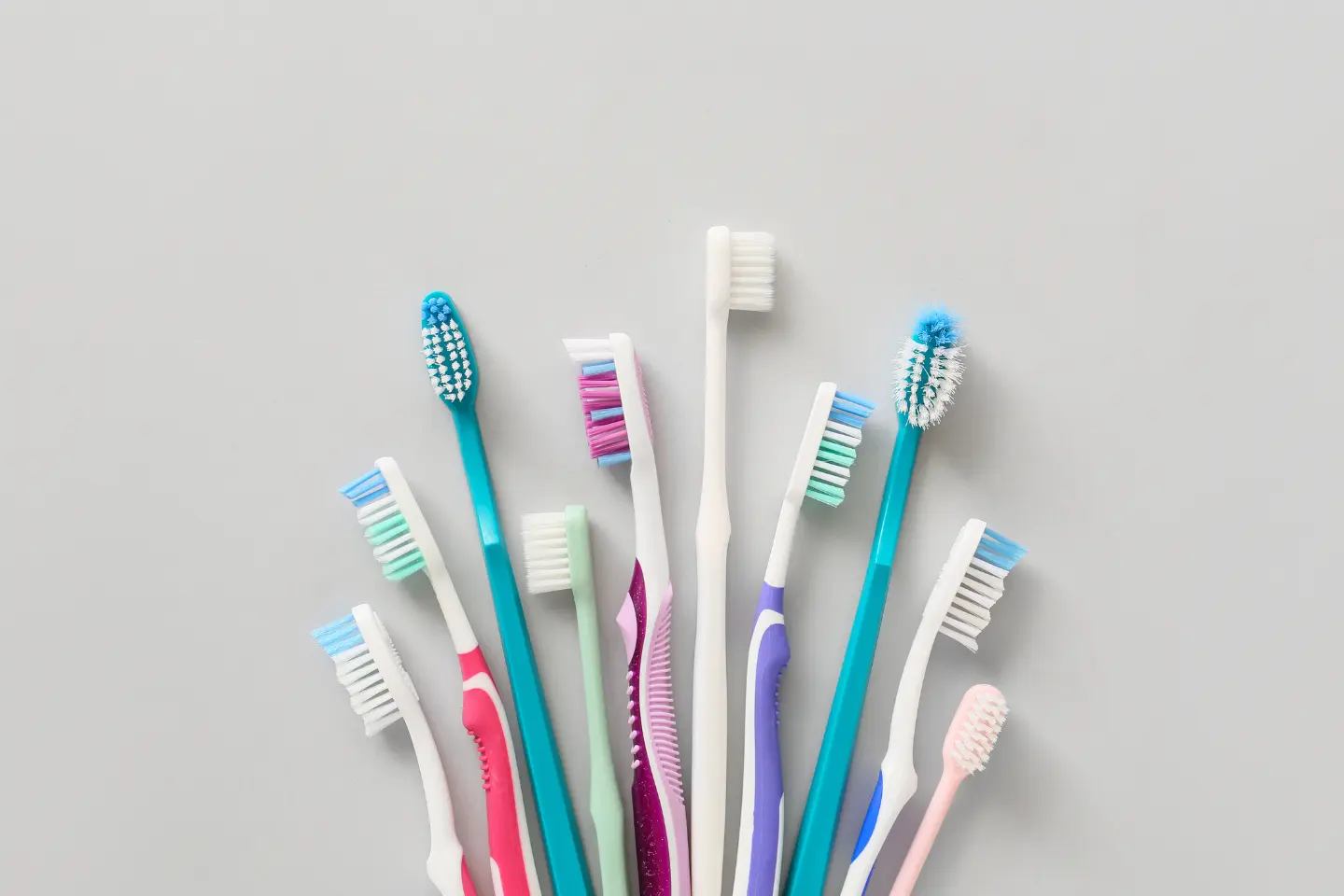
It seems like a simple question, but the frequency with which you replace your toothbrush or electric toothbrush head is one of the most critical factors in maintaining excellent oral hygiene. You diligently brush twice a day, floss every night, and keep your appointments with your dentist in Norwalk, CA. But if you’re using a worn-out, ineffective toothbrush, your effort may be wasted!
At Add Smiles Dentistry, we know that the tools you use are just as important as the technique you employ. While the standard advice is to replace your brush every three months, there are many factors, from visible wear to recent illness, that can drastically shorten that timeline. This comprehensive guide will explain the science behind the recommendation, reveal the hidden dangers of old toothbrushes, and give you clear guidelines to ensure your brush is always performing at its best for a truly clean and healthy smile.
The Golden Rule: Why Three Months is the Standard
The American Dental Association (ADA) and virtually every dentist recommend replacing your toothbrush or brush head every three to four months. This timeline isn't arbitrary; it’s based on the physical breakdown of the brush.
The Impact of Bristle Deterioration
After about 90 to 120 days of consistent, twice-daily use, the bristles on your brush begin to wear out, flatten, and fray.
- Reduced Effectiveness: Frayed bristles lose their ability to effectively clean the complex contours and crevices of your teeth, particularly in hard-to-reach areas like the back molars and the gum line. They simply can’t penetrate the spaces between teeth as efficiently.
- Enamel and Gum Damage: When bristles become frayed, they can turn into tiny, stiff, sharp points. Brushing with these worn bristles can actually become abrasive, potentially damaging your delicate gum tissue and contributing to gum recession.
- The Power of Soft Bristles: Most dentists recommend using a soft-bristled toothbrush to protect enamel and gums. Once those soft bristles wear down, they lose their protective quality.
The Hygiene Factor
While the concern over bacteria building up on your toothbrush is often exaggerated (since you rinse your brush thoroughly and it's exposed to saliva), an old, moist brush is certainly a better environment for microbial growth than a new one. Replacing the brush regularly reduces the overall microbial load in your mouth and maintains the best hygienic practices recommended by Add Smiles Dentistry.
Exceptions to the Rule: When to Replace Your Brush Sooner
The three-month rule is a maximum guideline. In several scenarios, you should always replace your toothbrush sooner to protect your health and your smile.
Visible Bristle Wear
Inspect your toothbrush closely. If the bristles are splaying out, look flat instead of upright, or the colored indicator patch (on some brushes) has faded halfway, it's time for a replacement. Even if it's only been two months, worn bristles are ineffective bristles. Continuing to use a splayed brush means you are brushing with the plastic base rather than the cleaning tips, diminishing plaque removal dramatically.
After an Illness
This is a critical, often overlooked rule. If you have been sick, especially with the flu, a bad cold, strep throat, or any infectious illness, you should replace your toothbrush immediately.
- Contamination Risk: Germs and bacteria from the illness can linger on the bristles. Using the same brush increases the risk of re-infection or passing the illness to family members who store their brushes nearby.
- Hygiene Protocol: Your dentist in Norwalk, CA, advises immediate replacement to prevent the reintroduction of infectious bacteria into your mouth.
Post-Dental Procedures
If you've just had a major restorative procedure like a dental crown placed or specialized treatment like root canal therapy, you should consider a new toothbrush. This is especially true after recovering from a serious gum infection, as you want to ensure the cleaning is as sterile and effective as possible.
Children's Brushes
Children often require more frequent toothbrush changes, usually every one to two months. Kids tend to chew on their brushes, which causes the bristles to fray much faster than those of an adult. Check their brushes weekly for signs of premature wear.
Maximizing Toothbrush Longevity and Performance
While you should adhere to the replacement schedule, a few simple habits can ensure your toothbrush is working optimally until its time is up.
Store It Upright and Air-Dry
Always store your brush or electric brush head upright in an open container, away from other brushes. This allows the bristles to air-dry completely between uses, minimizing the chance of microbial growth. Avoid closed containers, which create a humid environment perfect for bacteria.
Rinse Thoroughly
After every use, rinse the brush head vigorously under tap water to remove all toothpaste residue and food debris. Use your thumb to gently rub the bristles under the running water.
Stop Hard Brushing
One of the main reasons bristles fray prematurely is brushing too hard. Excessive force does not clean your teeth better; it just wears out your brush faster and can lead to gum recession and enamel wear. Your dentist in Norwalk, CA, always recommends a soft touch.
Check Your Electric Brush Head
If you use an electric toothbrush, be sure to check the manufacturer's recommendation for head replacement. Many brands include indicator bristles that fade in color, signaling it’s time for a change. Don't assume the motor means the bristles last longer; the three-month rule still generally applies.
Frequently Asked Questions (FAQs) About Toothbrush Care
Q. Does using mouthwash affect the life of my toothbrush?
No, rinsing your brush with mouthwash is not necessary and will not extend the life of the bristles. The best way to clean your brush is simply by rinsing it thoroughly with clean tap water and allowing it to air-dry. The effectiveness of the brush is determined by the physical integrity of the bristles, which mouthwash cannot restore once they are frayed.
Q. Should I cover my toothbrush when I travel?
While traveling, you should cover your toothbrush to protect it from contamination, but ensure the cover has vent holes. Using a sealed, airtight container will trap moisture, which is the perfect breeding ground for bacteria. Once you arrive at your destination, immediately remove the cover and allow the brush to air-dry upright. Add Smiles Dentistry advises using a separate travel brush that you replace immediately after returning home.
Q. Why do the bristles on my new toothbrush fray so quickly?
If your brush bristles fray in just a few weeks, it is a clear sign that you are brushing too hard. Excessive force is detrimental to both your toothbrush and your oral health, as it can cause enamel erosion and gum recession. Discuss your technique with the hygienist at Add Smiles Dentistry during your next check-up, or consider switching to an electric toothbrush with a built-in pressure sensor.
Q. Is it better to use a manual or an electric toothbrush?
Both manual and electric toothbrushes can provide an excellent clean, but studies suggest that electric toothbrushes, particularly those with oscillating or sonic technology, are often more effective at removing plaque and reducing gum disease, especially for those who struggle with proper manual technique. The best choice is the one you will use correctly and consistently, ensuring you always change the brush head every three months, as advised by your dentist in Norwalk, CA.
Don't Undermine Your Hygiene Routine!
Your toothbrush is your most important tool for preventing decay and gum disease. Using a worn-out brush means sacrificing the effectiveness of your entire oral hygiene routine. Don't let a simple oversight compromise your smile health!
Schedule your next check-up and get personalized hygiene advice from Add Smiles Dentistry today!
Contact Us
Our team is happy to hear from you! Fill out our simple form to schedule your next visit.
Email us at info@addsmiles.com
Call us at (562) 204-6366
Schedule Your Visit!
*Name
*Phone Number
*Message
Our dental practice is designed to provide state-of-the-art care with the latest technology and a wide range of dental services with transparent pricing.
14523 Pioneer Blvd, Norwalk, CA 90650, USA


© 2025 Add Smiles Dentistry | All rights reserved | Privacy Policy | Digital Marketing by Remedo